
Harvest → grading → packing → certification → air freight
Fresh flowers only stay fresh if every step is right. Here is exactly how a consignment leaves Kunming, what Australian biosecurity requires, and how your team should wake the flowers on arrival.
10 steps from order to pickup
- 01
Order confirmation
Customer places the order; we confirm the order, verify payment and book the flight.
- 02
Harvest at the base
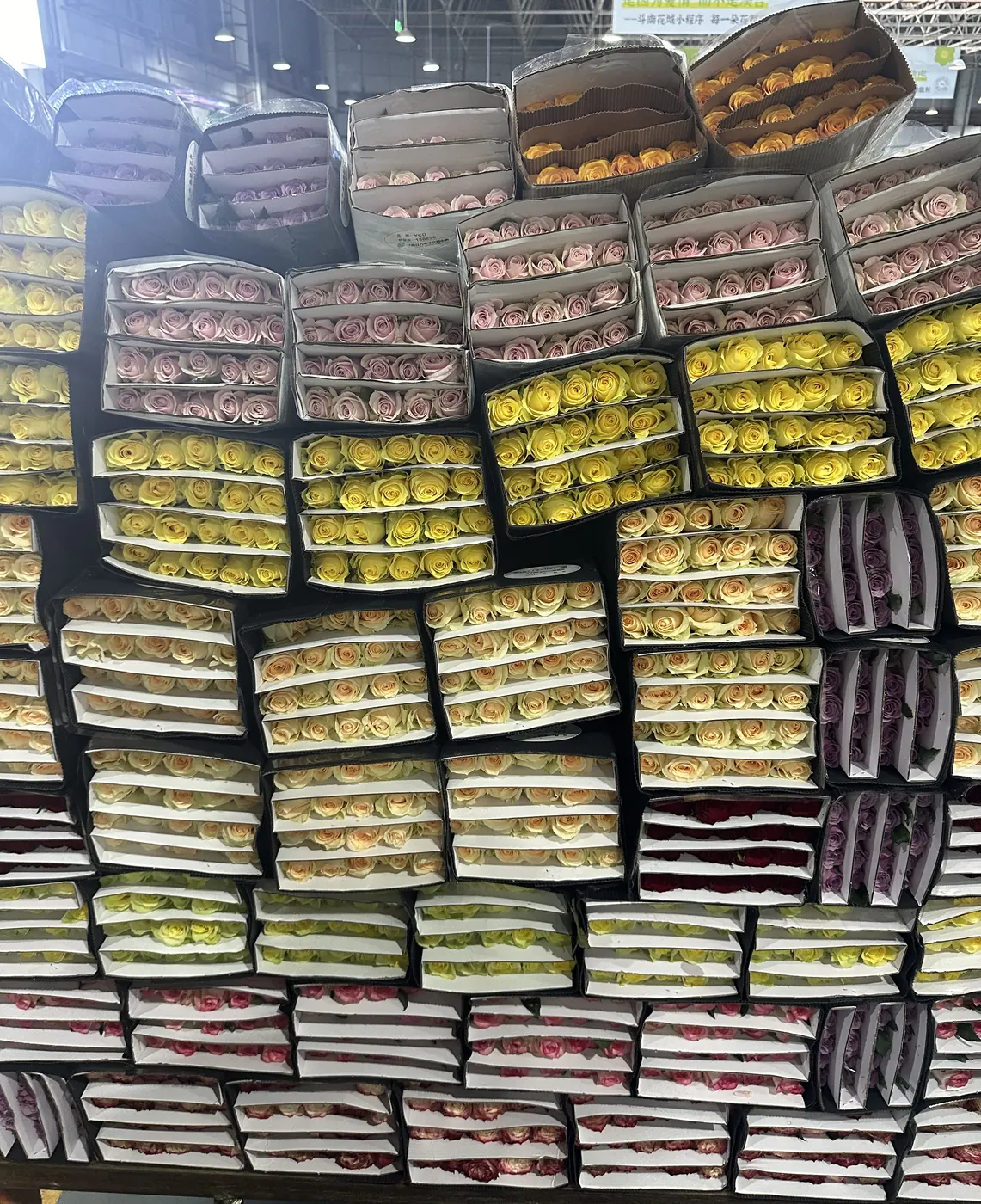
Flowers are picked, sorted and bunched, given post-harvest treatment and transported to the packing house.
- 03
Packing house
Orders are assembled, devitalised where required, then packed and labelled.
- 04
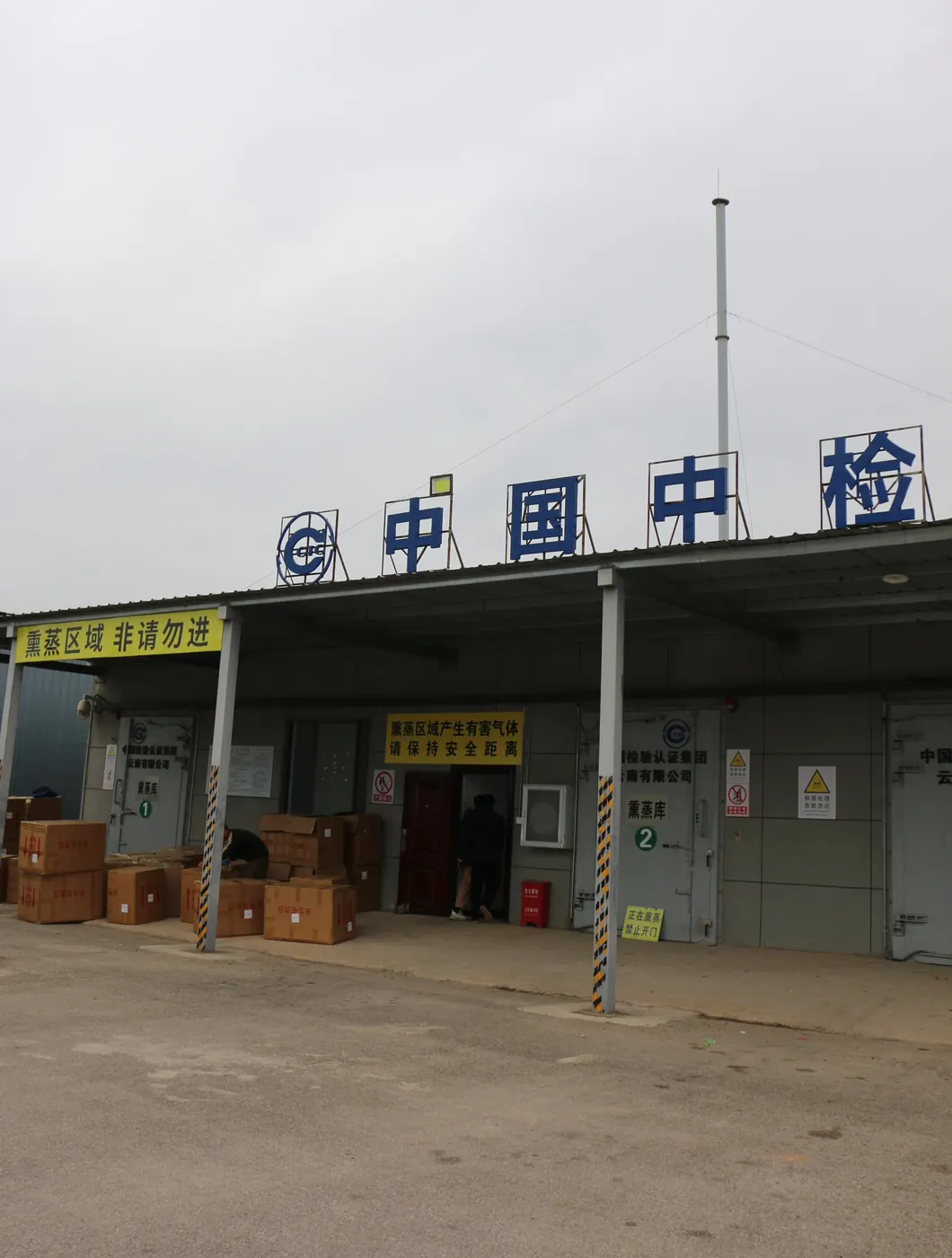
Fumigation
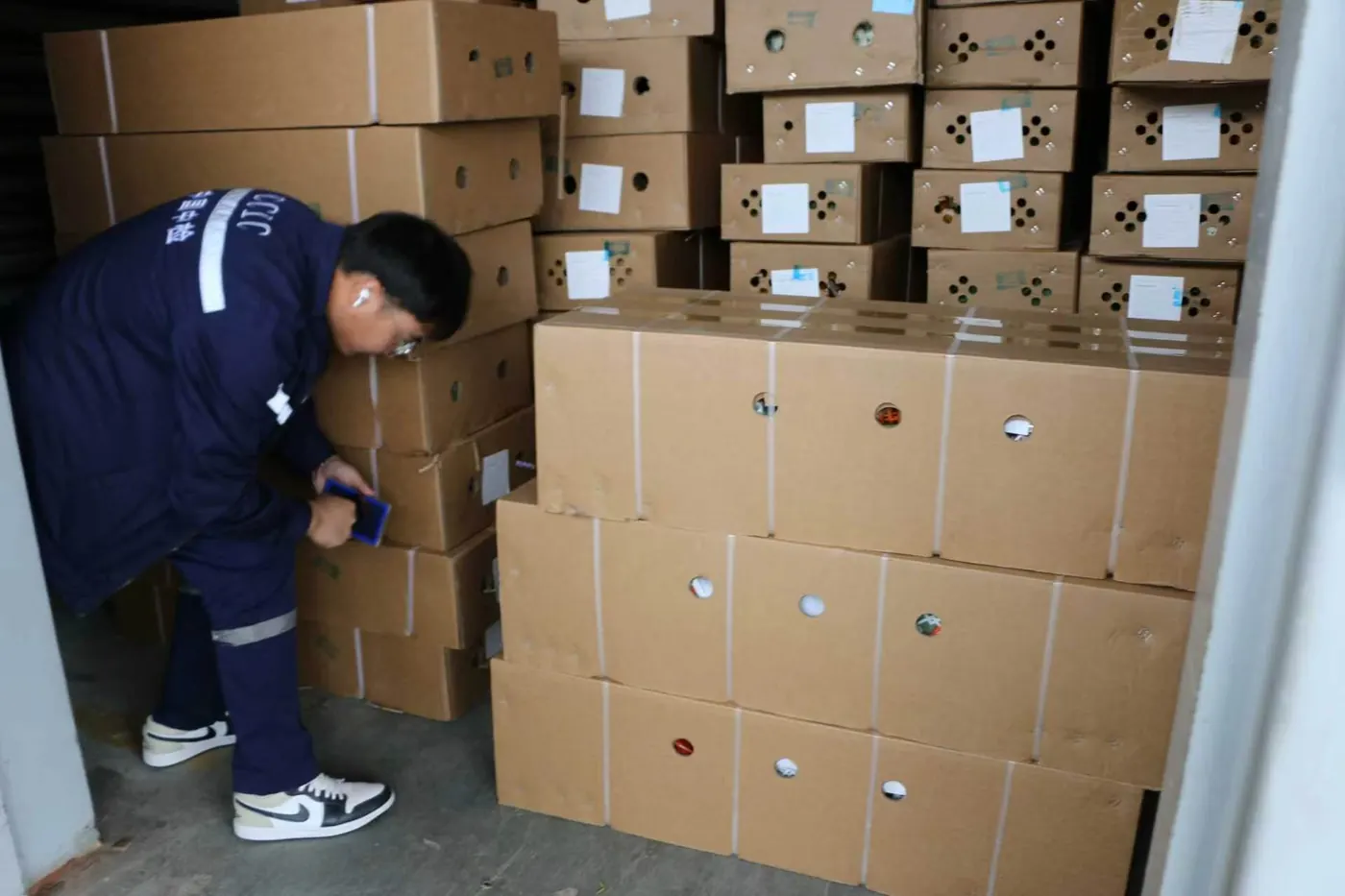
Goods go to the quarantine fumigation station for disinfection.
- 05
Inspection application
The base company applies for inspection through China’s International Trade Single Window.
- 06
Certificates issued
A fumigation/disinfection certificate and a phytosanitary certificate are issued for the consignment.
- 07
Customs declaration
Our customs broker files the export declaration through the Single Window.
- 08
To the airport
Goods are delivered to the airport and checked into the airport warehouse.
- 09
Flight to destination
On arrival, goods are held in the local customs quarantine warehouse.
- 10
Inspection & pickup
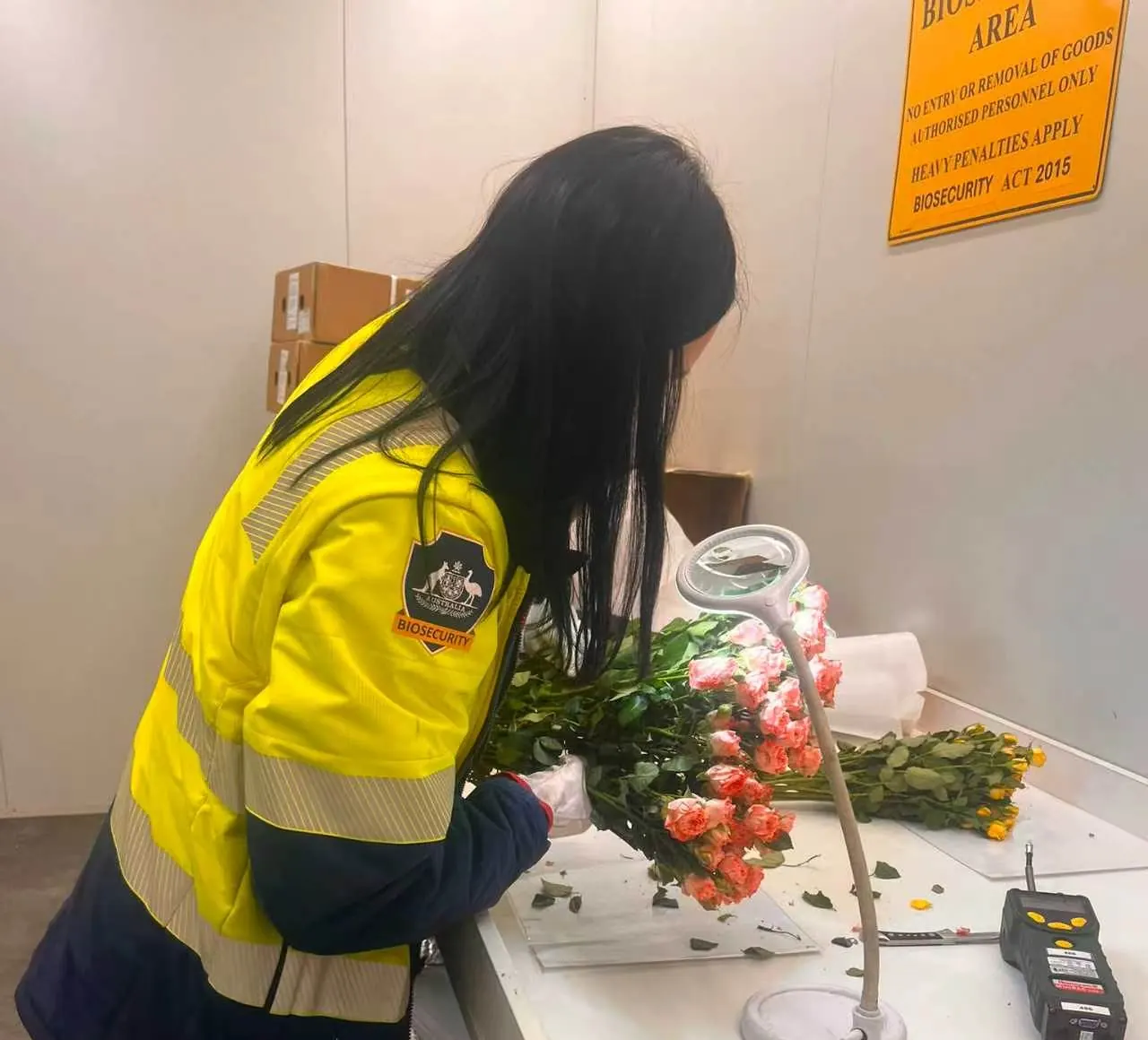
Local biosecurity inspection, release and pickup or onward delivery.
What Australian biosecurity requires, and how we meet it
We can assist with Australian customs clearance and local delivery. Below is a summary of the cut-flower import conditions we prepare every Australian consignment against. Conditions are set by the Australian Government and can change; we check current requirements for each order.
Phytosanitary certificate
Original paper or e-certificate with every consignment. Flowers and foliage identified by full botanical name (genus and species, or genus). Certified by China’s National Plant Protection Organisation as produced under an approved systems approach and found free from live quarantine pests.
Devitalisation
For species that require it (including roses), stems are devitalised under official supervision at an accredited facility: immersed for 20 minutes in a 1.5% glyphosate solution to the specified depth, and declared on the phytosanitary certificate.
Pest-proof packaging
Fully enclosed cartons with no open ventilation holes, or holes covered by mesh of 1.6 mm or less or taped over. Liners sealed. Pallets or ULDs fully wrapped. Water vials on stems are allowed; water or ice cooling packs are not.
Fumigation & disinfection
Before export, goods are treated at the quarantine fumigation station and a fumigation/disinfection certificate is issued alongside the phytosanitary certificate.
Lessons from real shipments
Tinted or spray-painted flowers can be held for extra inspection, so we confirm them with you first. Two-leg air freight means 6–7 handlings, so cartons are packed to protect blooms from crushing.
Flower-waking: 6 standard steps
After long-distance transport, flowers need to rehydrate properly to recover. Prepare a deep plastic or glass container (not metal, as some metal ions harm stems), clean room-temperature water (purified, or tap water left to stand) and sharp floral shears.
- Unpack and inspectRemove wrapping and ties gently. Discard rotten or badly damaged stems. Keep head-protection nets (e.g. on roses) on until waking is complete.
- Cut at 45°With sharp floral shears, cut 3–5 cm off the stem at a 45° angle. This increases the water-uptake area by about 30%, stops the stem sitting flat on the bucket floor and reduces bacteria. For woody stems (hydrangea, protea) add a cross-cut.
- Remove lower leavesStrip all leaves that would sit in water. They rot and breed bacteria, waste water and compete with the bloom. Keep 2–3 leaves near the top.
- Deep-water soakStand stems in clean water up to 10–15 cm below the flower heads, covering at least 2/3 of the stem. Do not submerge heads (except water-loving types like hydrangea). Leave space between stems.
- Control the timeRoses & carnations 3–5 h · lilies & tulips 2–3 h · sunflowers & gerberas 6–8 h · hydrangea up to 12 h. Shorten in hot weather; stop when leaves are firm again. Never soak overnight.
- Re-cut and arrangeTrim another 1–2 cm to refresh the cut, arrange, place in a clean vase and add flower food to extend vase life.
Variety-specific tips
Different flowers need different handling. Tap to expand.
Roses
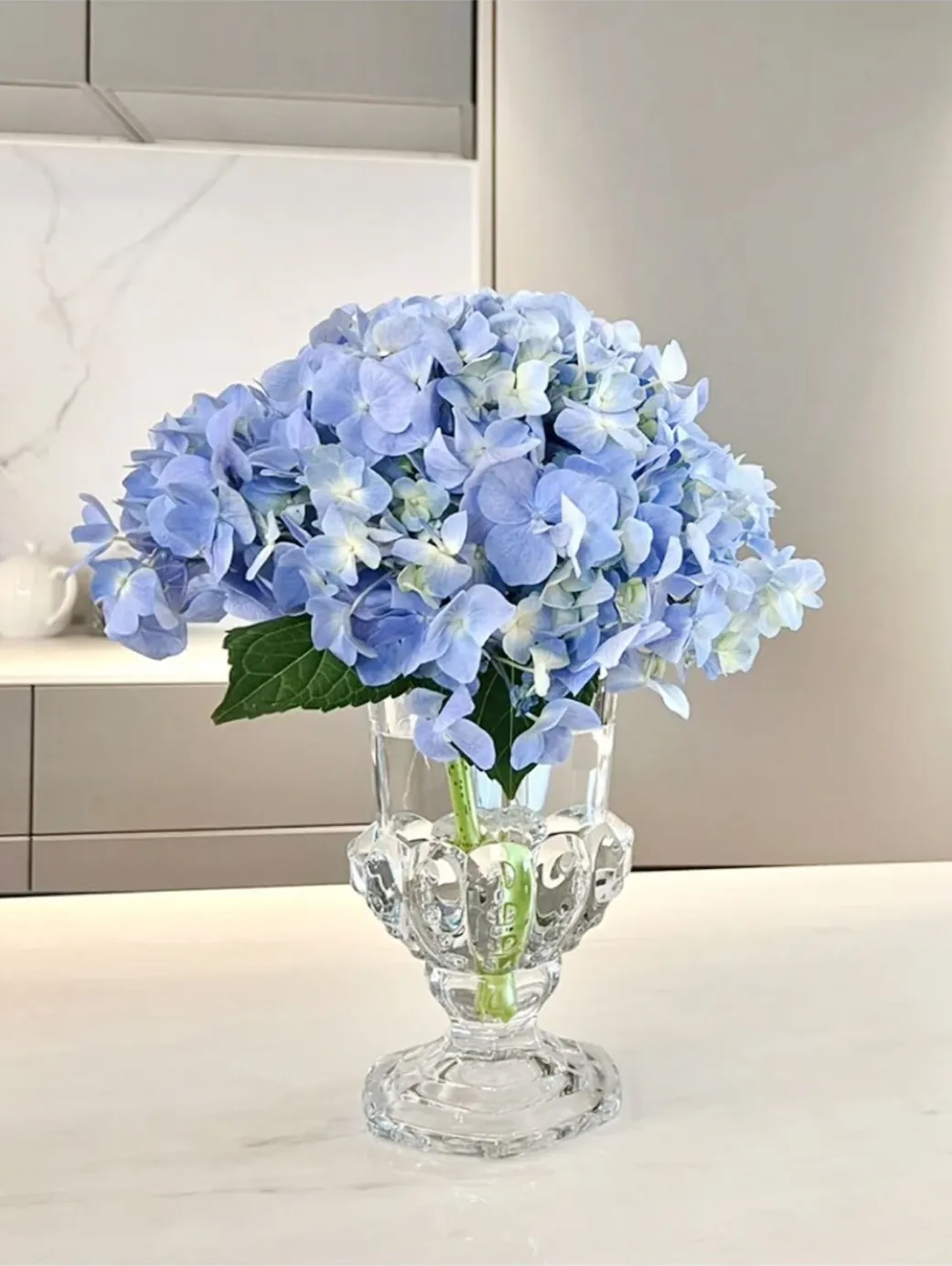
Hydrangea
Sunflowers
Tulips
Dahlias
Peony chrysanthemums
A bilingual (English / Chinese) version of this guide is available on request.
Tell us what you need for your next shipment
Send us your variety list, quantities and destination. We will reply with availability, packing and an all-in quote.